(When It Feels Right)
First published 3 August 2025
My plans this weekend were delightfully unremarkable.
Saturday was earmarked for family time, and Sunday was going to be one of those productive-yet-gentle days – writing this email to you (yes I know, even writing it on Sunday means it’s late!), tackling the housework I’ve been skilfully avoiding, maybe even dragging out the vacuum cleaner that has been giving me the evil eye every time I open the cupboard where it lives.
Then, out of nowhere, a message appeared from a friend I hadn’t seen in person since the beginning of this decade. He was thinking of heading in my direction to take his dog for a walk at a country park that’s a maximum of a ten-minute drive from my house. Would I fancy joining them?
My first instinct was to check my mental to-do list.
- The housework.
- The writing.
- The Sunday routine I’d mentally mapped out.
But something deeper whispered, “It would be rude not to, wouldn’t it?”
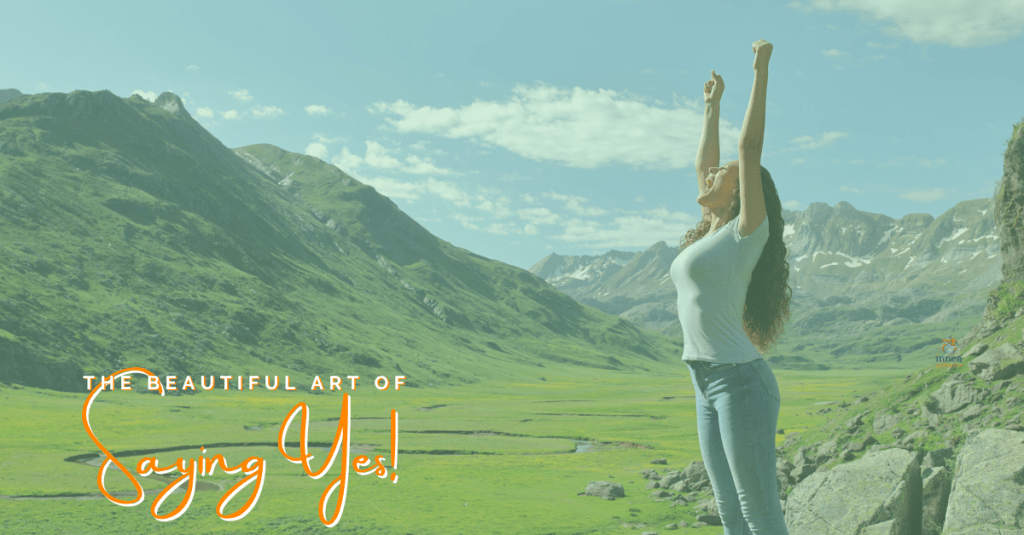
So I said yes. And I’m very glad I did.
What Is Spontaneity, Really?
Spontaneity isn’t about being reckless or abandoning all sense of responsibility. It’s about being present enough to recognise when life offers you something unexpected and having the flexibility to respond authentically in the moment.
It’s the difference between living your life according to a rigid script and being open to improvisation when the right opportunity presents itself.
True spontaneity comes from a place of inner knowing – that gut feeling that says “yes, this feels right” or “no, this isn’t for me right now.”
Spontaneity is your nervous system responding to what it genuinely needs in the moment, rather than what your mind thinks you should be doing.
The Magic of Going With the Flow
When we allow ourselves to be spontaneous, beautiful things happen. We create space for:
- Unexpected connections – Like reconnecting with an old friend, with their new canine companion over woodland paths and catching up on years of life in a single afternoon.
- Present moment awareness – When you’re not rigidly following a plan, you’re more likely to notice what’s actually happening around you right now.
- Creative solutions – Spontaneity exercises the same mental muscles we use for creative problem-solving and adaptability.
- Joy and lightness – There’s something inherently playful about saying yes to the unexpected. It reminds us that life doesn’t always have to be so serious and scheduled.
The Energy of Spontaneity
In Traditional Chinese Medicine, spontaneity is closely linked to the Wood element – the energy of growth, flexibility, and natural flow. When our Wood element is balanced, we can bend without breaking, adapt to changing circumstances, and trust our instincts about when to act and when to wait. (and the fact that my wander was in the woods was just the icing on the cake! 😊)
Your sacral chakra, the energy centre of creativity and flow, thrives on spontaneity. When this chakra is open and balanced, we feel comfortable with change and can respond to life’s invitations with enthusiasm rather than anxiety. From an energetic standpoint, being overly rigid in our plans can create stagnation.
Energy needs to move and flow, and sometimes that means being willing to deviate from our carefully laid out routes.
The Wisdom of Knowing When to Say No
Here’s the thing though – true spontaneity includes the freedom to say no when something doesn’t feel right.
It’s not about saying yes to everything; it’s about being present enough to feel into what serves you in any given moment.
Sometimes the most spontaneous thing you can do is honour your need for rest, solitude, or sticking to your original plans.
The key is distinguishing between a “no” that comes from fear or limiting beliefs and a “no” that comes from genuine self-care and authentic choice.
Fear vs. Intuition: Learning the Difference
This is where it gets interesting. How do you know if you’re declining an opportunity because you are:
- genuinely not interested, or it doesn’t align with your needs
- afraid of stepping outside your comfort zone
- stuck in rigid patterns that no longer serve you
- people-pleasing and saying yes when you want to say no, but don’t want to offend
Your body knows the answer.
Fear can show up as tension – tight shoulders, a clenched jaw, shallow breathing.
It’s also typically accompanied by the familiar refrains of: “I can’t,” “I shouldn’t,” “What if…”
Genuine intuitive knowing, on the other hand, often feels more spacious and open.
Even if it’s a “no,” it doesn’t come with the same physical tension.
It’s more like a calm certainty: “This isn’t right for me today.”
The Spontaneity Spectrum
Spontaneity doesn’t have to mean dramatic life changes or saying yes to every invitation (unless you are following Shonda Rhimes’ “Year of Yes” – it’s worth a read, but I digress, so time to get back to the point…)
It can be as simple as:
- Taking a different route home from work
- Trying a new café instead of your usual spot
- Calling a friend you’ve been thinking about
- Dancing to a song that comes on the radio
- Starting a conversation with someone new
- Changing your dinner plans based on what you actually fancy
Small acts of spontaneity can be just as nourishing as big ones. They are practice for staying flexible and present in your daily life.
Your Spontaneity Experiment
This week, I’d love you to become curious about your relationship with spontaneity:
Notice the invitations life offers you, whether big or small. Maybe it’s a colleague suggesting lunch at a new place, a friend inviting you to an impromptu gathering, or simply an urge to take a walk when you hadn’t planned to.
Pay attention to your first response. Do you automatically say no? Do you feel excited? Anxious? Curious?
Check in with your body when opportunities arise. Where do you feel the “yes” or “no”? Is there tension that might indicate fear, or openness that suggests authentic choice?
Experiment with saying yes to something small that feels good, even if it wasn’t in your plans.
Practice saying no when something doesn’t feel right, without over-explaining or apologising – stretch goal is to say no without explaining at all!
Notice what stories you tell yourself about spontaneity. Do you believe you “can’t” be spontaneous? That you’re “not that type of person”? These beliefs could be worth examining.
When Spontaneity Feels Challenging
If you notice that you are always saying no to spontaneous opportunities, or if the idea of deviating from your plans creates significant anxiety, that’s valuable information worth noticing. (and at this point, I would encourage you to read “Year of Yes”)
Sometimes our need for rigid control comes from deeper places – past experiences, anxiety, or simply being out of touch with our own desires.
There’s no shame in this.
We all have different comfort levels with uncertainty and change.
But, if you feel like your life has become too predictable, too scheduled, or lacking in joy and surprise, it might be worth exploring what’s underneath this resistance.
A Gentle Invitation
If you’re curious about exploring your relationship with spontaneity, flexibility, and trusting your inner knowing, I’m here.
Sometimes it helps to have someone hold space while you discover what genuine “yes” and “no” feel like in your body.
I offer complimentary discovery calls where we can explore what might be helpful for you, or we can dive straight into a full session if you’re ready.
There’s no pressure – just an invitation to explore what might be possible when you give yourself permission to be more spontaneous.
My weekend housework can wait.
The unexpected walk with an old friend?
That was exactly what my soul needed, even though my to-do list had other plans.
What might your soul be inviting you to this week?
 Inner Pathways
Leave a comment